Watering, harvesting, watering, deadheading and more watering! August can be a busy month in the garden, but don’t forget to relax and enjoy the fruits of your labour before the summer wanes.
August is a bumper month for harvesting fruit, veg and cut flowers. Fill any gaps in vegetable beds with fast-growing salad leaves or plant out kale and cauliflower for overwintering. It’s also time to get ahead for next year by sowing hardy annuals and taking cuttings from herbaceous plants and shrubs. With many plants still flowering, August is a great time to look around your garden and decide what might need refreshing next year.
Flowers, shrubs & trees

What to plant in August
As summer-blooming flowers begin to die off, it’s time to turn your thoughts to autumn. It’s not too late to plant out container-grown plants – just make sure you keep them well watered. Have a look at our favourite August flowers for inspiration.
-
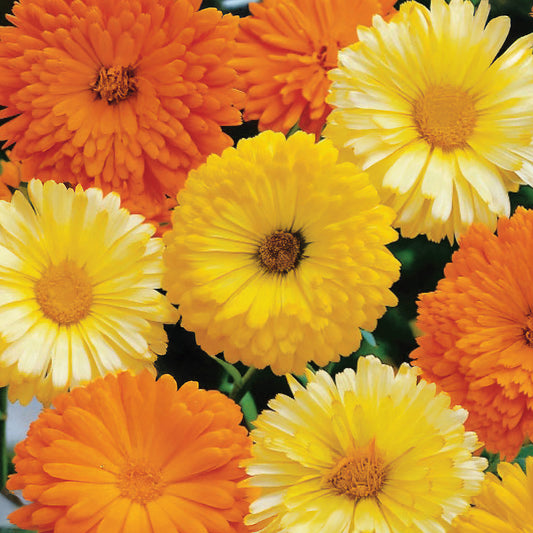
Flower seeds to sow in August include hardy annuals such as Nigella ‘Persian Jewels’, Calendula ‘Art Shades’, Cornflower ‘Classic Magic’ and Poppy ‘Ladybird’. Sow at the end of the month for early-season blooms next year.
-
As long as it’s not too hot, you can also sow violas like Viola ‘Symphonia’ and Viola ‘Frizzle Sizzle Mini’.
-
Asters, sedums, and fuchsias can add a splash of late-season colour to containers and borders. Fuchsia 'Riccartonii' has beautiful scarlet and purple blossoms that last through to October.
-
You can plant out flowering hydrangeas and buddleias, but make sure they’re watered in well and continue watering during dry spells.
Propagating and dividing
August is a prime month for cuttings. If you haven’t taken softwood cuttings yet, get your skates on so roots can develop before winter sets in; otherwise, focus on taking semi-ripe cuttings toward the end of the month.
-
Take softwood cuttings from perennials such as penstemon, petunia, verbena and geranium.
-
You can also start taking semi-ripe cuttings from climbers (including clematis, passion flower, ivy and honeysuckle), herbs (including lavender, rosemary, bay and sage), evergreen shrubs (including berberis, camellia, ceanothus and hebe) and hedging plants (such as box, holly and laurel).
-
If you’re too late to take softwood cuttings from deciduous shrubs such as buddleia, forsythia, hydrangea and fuchsia, semi-ripe cuttings should also take well.
-
Lift and divide spring-flowering perennials such as irises, hemerocallis (daylilies) and oriental poppies.
Harvesting, pruning and cutting back
Many annuals and perennials will continue to flower this month if you keep picking them. Spread vases of flowers around your home and enjoy the summer blooms while they last.
-
Keep picking and deadheading flowers to keep them blooming into the autumn. Leave seedheads on plants such as poppies, alliums, nigella and teasels as these add interest and provide food and shelter for wildlife later in the year.
-
Cut flowers to harvest this month include dahlias, alstroemeria, lilies, gladioli, sunflowers, zinnias, echinacea and globe thistle.
-
Prune lavender once it has flowered. Remove flower stalks and any damaged stems, and then trim to a neat, bushy shape. Avoid cutting into the woody part of the stems.
-
Now’s the time to prune your wisteria if you didn’t get around to it last month. Cut back this year’s green growth to 5 or 6 leaves and tie in fresh growth to train the plant.
-
August is also a good month to prune rambling roses. Cut any dead, diseased, damaged or very old stems back to the ground. Tie in new growth and cut back side shoots by two-thirds.
General maintenance
-
Hosepipe bans don’t happen every year, but if it’s been a dry spring and summer, you may want to plan ahead. Prioritise watering container plants and anything you’ve recently planted out (this includes woody plants planted in the last 12-18 months). Sweet peas, dahlias, hydrangeas, clematis and soft herbaceous plants like astilbes and heucheras also suffer if they don’t get enough water.
-
Mow wildflower meadows and other areas of long grass as short as possible. You can leave the mowings for a couple of days to make sure all the seed has dropped before removing the grass and adding it to the compost heap.
-
Stake late-flowering perennials like echinaceas, asters and rudbeckias, as well as top-heavy plants like lilies, dahlias and gladioli to prevent damage from autumn winds.
-
Feed plants in containers weekly with a high-potash fertiliser to encourage continued flowering.
-
Watch out for powdery mildew. Remove and destroy any infected leaves immediately, and, if necessary, give plants a light pruning to improve air circulation.
-
Earwigs can be a problem for dahlias during warmer months. Place upturned pots filled with straw on top of canes among your flowers – the bugs will shelter in the pots overnight and you can gently relocate them in the morning.
Planning ahead
-
Order spring-flowering bulbs this month for planting in September or October.
-
Look to see if you have any gaps in borders or areas where they’re overcrowded. Make a note to address these once the main growing season is over.
-
Collect seed pods from both plants you want to grow next year and plants you don’t want to reseed. Place dry seeds in a paper packet, label it and store in a cool, dry, dark place.
Fruit and vegetables

What veg to plant in August
There’s still time to sow some fast-growing crops to harvest this year. As you harvest beans, potatoes and other vegetables grown earlier in the year, you’ll create space in the garden to plant out winter crops such as cauliflower, broccoli and kale.
-
Plant new strawberry plants or rooted runners in beds this month. It’s recommended to replace strawberry plants every 3 years and move them to a new location to prevent disease.
-
If you want to grow your own potatoes for Christmas dinner, you can plant cold-stored tubers this month. Potato foliage gets damaged by frost, so it’s best to grow them in a frost-free greenhouse or a cool, bright conservatory or porch.
-
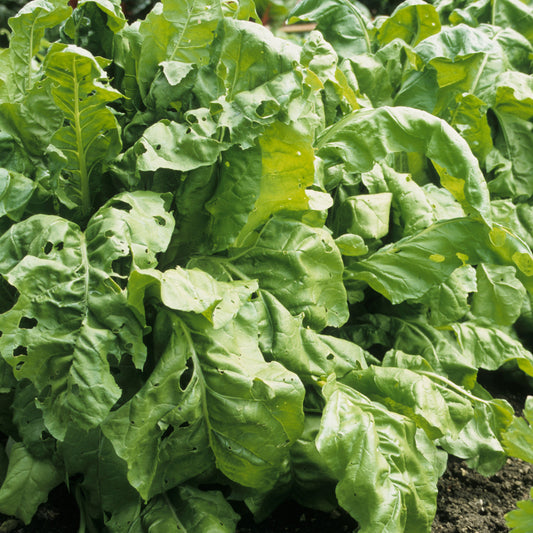
Plant winter spinach, rocket, land cress, perpetual spinach, pak choi and other oriental leaves to crop through autumn. The beginning of August is also your last chance to sow Swiss chard.
-
Plant out winter and spring cauliflowers, kale and sprouting broccoli.
-
If you have empty beds, you can sow green manure crops to overwinter or dig in later in the year. White mustard, crimson clover, phacelia, winter tares (vetch) and grazing rye can all be sown in August.
-
There’s still time to sow herbs. Parsley, chervil, coriander and dill can all be grown outside. To keep harvesting herbs through the winter, sow seeds in pots, so you can bring them inside or keep them in a greenhouse.
Harvesting
August is the season of plenty, when all your hard work nurturing seedlings and growing plants pays off. If you have a large kitchen garden or allotment, you’ll likely spend more time preserving and cooking your produce than growing it this month.
-
The final broad beans of the season will be ready to harvest now. Once they’re gone, cut the plants at ground level and add them to the compost heap. You can leave the roots in the soil to decompose.
-
It’s also time to lift any remaining garlic or shallots. Onions will be ready to harvest when the tops turn yellow and fall over. Dry thoroughly before storing.
-
Pick French beans, runner beans and peas regularly to ensure a continued supply.
-
Courgettes and summer squashes will need harvesting every few days before they grow too big.
-
Continue harvesting beetroot, lifting them carefully to avoid disturbing neighbouring plants, which can be left to grow into the extra space.
-
Outdoor-grown tomatoes should start ripening this month. If they seem slow to ripen, don’t lose hope – there’s still plenty of time before the first frosts.
-
August is a tricky month for lettuce, spinach and other leafy crops as they tend to bolt in hot, dry weather. Make the most of what you have by watering and harvesting regularly.
-
The first of your maincrop potatoes may be ready by the end of August. If you still have second earlies in the ground, dig them up now.
-
Sweetcorn may be ready to harvest at the end of the month. Wait until the strands at the tip of the cob (the strands) go brown, then peel back the husk and pierce a kernel – if the juice is milky rather than clear, it’s ready.
-
In the greenhouse, aubergines, peppers, chillies and cucumbers should be ready for picking.
-
Harvest summer cauliflowers and cabbages to make space for new crops.
-
Edible flowers add a colourful dash to summer dishes. Top salads with peppery nasturtium and calendula flowers, and serve alongside stuffed squash flowers.
Fruit bushes and trees
August is a great month for harvesting fruit. It’s easy to end up with more ripe fruit than you can eat, so make sure you have plenty of empty glass jars ready for jam!
-
Plums, nectarines, peaches, apricots, blackberries, tayberries, currants and early-cropping varieties of apples should all be ready to harvest this month.
-
Summer raspberries will have finished by now, so cut all fruiting canes at the base. Tie in the strongest green stems to your supports (these will fruit next year) and cut other stems at ground level.
-
Net autumn raspberries and blackberries to protect ripening fruit from birds.
-
Summer prune trained pear and apple trees (e.g. fan, espalier, step-over and cordons) to restrict growth and re-shape. They’re ready when a third of the current year’s stems have turned woody..
-
You’ll also want to prune fan-trained and cordon gooseberries and currants.
-
Fruit trees may need extra support to prevent branches from breaking. You can tie small branches to the trunk or larger branches, or use a stake to prop up a branch.
-
Watch out for signs of brown rot on plums, apples, pears and quinces. Remove any infected fruits immediately.
General maintenance
Warm, humid weather is an invitation for pests and disease to spread. Checking your plants regularly is the best way to catch any invaders early and protect your crops. Your plants should be mature enough to out-compete weeds by now, but keep watering regularly to support normal growth and prevent bolting.
-
Your biggest challenge in August is likely to be watering. The best time to water is early morning, so plants can take up the water when they need it. Food crops are usually exempt from hosepipe bans, but it’s best to conserve water as much as you can.
-
Cut off the tops of tomato plants toward the end of the month, so they don’t waste energy forming new fruits that won’t have time to ripen.
-
Continue to pinch out the tops of climbing beans when they get to the top of their supports to promote growth lower down.
-
Feed pumpkins weekly with a high-potassium fertiliser (e.g. tomato feed) to help them put on weight before Halloween.
-
Check tomato, pepper and cucumber plants to see if they need any extra support.
-
Remove any yellow leaves on tomato plants. Removing lower leaves later in the month improves ventilation and allows the sun to ripen the fruit.
-
Keep an eye on your tomatoes and potatoes for signs of blight. Look out for leaves rotting, shrivelling and browning and brown lesions on stems and leaf stalks. Cut down and destroy foliage immediately – don’t put it in your compost pile as it’s possible the pathogen will contaminate the compost. If you catch it early, you should still be able to eat the tomatoes and potato tubers, but avoid storing them or trying to ripen green tomatoes.
-
Cover carrots with insect-proof netting to prevent carrot flies from laying their eggs in the soil.
-
Check cabbage and brassicas for caterpillars and beans, artichokes and beetroot for blackfly.
Lawns and hedges

By the end of August, most baby birds have fledged, so it’s safe to trim hedges. Summer is the perfect time to prune hedges and topiary, as you’ll get less vigorous regrowth than pruning in winter. Early autumn is a good time to sow lawn seed, so get ahead this month by preparing the ground.
-
Keep cutting your lawn, but raise the blade height on your mower. This helps grass cope with drier conditions and slower growth at the end of the season.
-
If you’re planning to start a new lawn from seed in September, then order your grass seed and prepare your soil for sowing this month.
-
Check your lawn for ants and brush out nests on a dry day before mowing.
-
Once you’re sure nesting birds have left, follow our guide to trimming your hedge to get it looking neat and shapely before winter. Conifers are best pruned earlier in the season, but most will cope with a light trim at the beginning of August if you didn’t do it earlier.
Other garden jobs for August

Unless you have a lot of fencing to paint, there aren’t many general garden jobs for August. Make the most of the respite!
-
Mulching can help prevent water loss. Use up any rotted compost left in your heap to make space for autumn leaves and clippings.
-
Top up water in bird baths and ponds, especially during dry spells.
-
Thin overgrown pond plants and remove any dead leaves.
-
If there’s a spell of clear, dry weather, take the opportunity to spruce up your fences or shed. You may also want to clean and treat wooden decking.
-
August is the perfect time to take stock of your garden and start planning for next year. Sit out on a sunny day with a notebook and pen and a cool drink and make a note of any ideas and changes you may want to make for next year.
How to keep your plants thriving while you’re on holiday

August is peak holiday season, but it’s not the best time of year to leave your garden or allotment unattended. Asking a friend or neighbour to help out is your best option to keep your plants happy. You could even pay an enterprising teen to water your garden and harvest vegetables while you’re away.
If you don’t have anyone to help, here are some tips on how to keep your plants alive while you’re away.
-
Get ahead with gardening jobs such as deadheading, weeding and mowing in the week before you go away.
-
Harvest vegetables and fruit regularly in the lead-up to your holiday. Pick all ripe and nearly ripe produce just before you leave and freeze, store or give away anything you can’t eat.
-
Check the forecast and plan accordingly. If there’s plenty of rain forecast, you may not have to worry about setting up watering systems.
-
Give hanging baskets and potted plants a good soak and move them to a shady part of the garden. Bury smaller pots in beds or trays filled with soil or sand to help prevent the compost from drying out.
-
Set up a watering system for plants in greenhouses or larger pots. This doesn’t have to be expensive – you can either use watering spikes that fit into an empty wine bottle or plastic bottle, or simply drill a small hole into the lid of the bottle and thread a cotton wick through the hole. Fill the bottle with water, turn it upside down and bury the top part in the soil near your plant to keep your plant watered for short holidays.
-
Move houseplants off sunny windowsills to reduce watering needs. Place small pots on capillary matting and drape one end into a bucket of water or the sink for a continuous water supply. For larger plants, you can use the bottle method outlined above or place them on top of a towel in a shallow bath.
FAQ
What seeds should I sow in August?
You can sow hardy annuals such as nigella, calendula, cornflowers and poppies in August. This will give the flowers a head start over those planted in spring, so they’ll bloom earlier next year. Quick-growing leafy veg such as perpetual spinach, pak choi, winter lettuce and rocket can also be sown to harvest through autumn.
What flowers can I plant in August in the UK?
Many container-grown flowers and shrubs can be planted out in August as long as you water them well during dry spells. Fuchsias, asters, and sedums are all in flower now and will continue to bloom through the autumn. Aster ‘Purple Dome’ is a Michaelmas daisy that flowers all the way through to November.
What vegetables can I plant in August in the UK?
You can sow fast-growing crops like rocket, spinach and radishes to harvest before the first frost. As long as it’s not too hot, you can also start winter lettuce, winter spinach and perpetual spinach this month. When gaps open up in your vegetable beds, plant out kale, cauliflower and broccoli so they can establish strong roots before the winter.
What flower seeds can I sow in August?
Sow hardy annuals such as cornflowers, poppies, nigella and calendula in August, as well as short-lived perennials like forget-me-nots and feverfew, to get earlier spring flowers. You can also sow viola seeds, but wait until temperatures start to cool, as they don’t like hot weather.